


Garden Bed
Professional landscaping services including lawn care, planting, garden design, and maintenance to create beautiful, functional, and well-maintained outdoor spaces year-round.


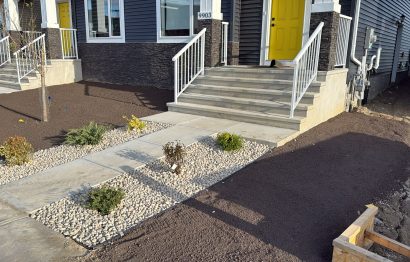
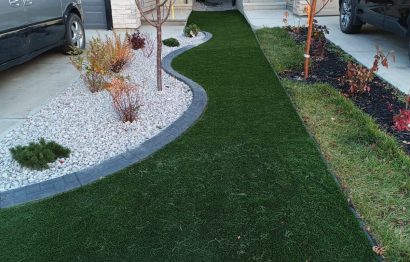
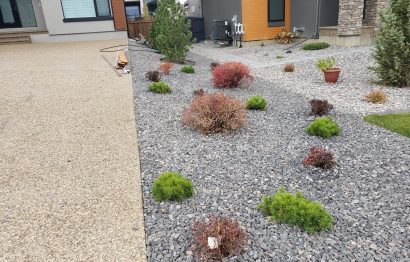
Enhance your outdoor space with beautiful, low-maintenance shrub beds that provide year-round structure, color, and texture. Shrubs are versatile landscaping elements that can define garden borders, create privacy screens, or serve as accent features around patios, pathways, and entrances.
At Armour Landscape Centre, we carefully plan and install shrub beds to complement your property’s design while ensuring healthy growth and long-term sustainability. From soil preparation and proper spacing to mulching and irrigation setup, every detail is handled with expertise.
Whether you’re creating a formal garden, naturalized landscape, or functional privacy screen, our shrub beds add dimension, seasonal interest, and curb appeal to your outdoor environment.
When planning and installing shrub beds in Edmonton, it’s important to follow City landscaping standards to ensure healthy plant growth, proper maintenance, and compliance with municipal requirements:
- Planting Bed Structure
- Shrubs and trees must be planted in defined planting beds with proper mulch to support growing conditions and plant survival.
- Shrub beds should have sufficient soil depth and volume to support root growth and long‑term health.
- Plant materials should be installed at finished grade, or in properly designed planters when soil depth is limited.
- Plant Material Standards
- Plant materials (including shrubs) must be hardy to Edmonton’s climate and suited to site conditions.
- Shrubs should meet horticultural quality standards as defined in landscaping guidelines and associated nursery stock standards.
- Bed Design & Location
- Planting beds should be designed with flowing edges rather than abrupt 90° angles to ease mowing and maintenance.
- There should be adequate clearance (typically ~2.5 m) between edges of shrub beds and obstacles (e.g., fences, buildings) so lawn equipment can operate without damage.
- Shrub beds next to sidewalks or fences should allow room for the shrub’s mature spread without encroachment on public walkways or neighbouring yards.


Let’s Talk Today!
5051 28 St NW, Edmonton AB T6T 1K1
- Shrub Size Requirements (Residential)
For developments requiring a landscape plan (e.g., homes with a development permit), shrubs typically need to meet minimum size standards (e.g., deciduous shrubs at least ~300 mm tall, coniferous shrubs with a minimum spread) to ensure early success after planting.
5.Tree & Shrub Quantity (Residential)
The number and type of trees and shrubs required for a property can vary depending on:
- Plot size and layout
- Type of house or development
- Design and landscape goals
It is highly recommended to follow your builder’s or municipal guidelines regarding the quantity, size, and species of plants to ensure compliance and achieve a healthy, aesthetically pleasing landscape.
- Maintenance & Growth
- Once planted, shrubs should be maintained in good condition (watering, pruning, mulching) to ensure they survive and thrive. In some municipal contexts, landscaping (including shrubs) installed as part of a development must be maintained for a minimum period after installation.
🔗 For full City of Edmonton landscaping requirements (including shrub and planting bed standards):
City of Edmonton Landscaping & Zoning Bylaw – Section 5.60
https://zoningbylaw.edmonton.ca/part-5-general-development-regulations/560-landscaping
Tip: Shrub beds should also consider plant selection, soil preparation, drainage, and mulch coverage to protect roots, retain moisture, suppress weeds, and support mature growth.
1. What is a shrub bed ?
2. Why should I install a shrub bed ?
· Add year‑round texture, color, and structure to landscapes
· Frame pathways, entrances, and property edges
· Help suppress weeds and retain moisture when mulched properly
· Can provide privacy screening or windbreaks depending on shrub choice
3. When is the best time to plant shrubs in Edmonton ?
· Late spring (May to June) — soil is warm and frost risk is minimal
· Early fall (August to early September) — cooler temperatures help roots establish before winter
Avoid planting too close to harsh winter conditions or midday summer heat.
4. How far apart should shrubs be planted ?
· Check the plant’s expected width at maturity
· Allow enough room so shrubs don’t crowd each other or block walkways
· A general rule: space them at least equal to their mature width for healthy growth and airflow
5. What soil preparation do shrub beds need ?
· Loosening and amending soil to a depth of about 300–450 mm (12–18")
· Adding organic matter or compost to improve structure and fertility
· Ensuring positive drainage so water flows away from foundations and doesn’t pool around roots
6. What type of mulch should I use and how deep ?
· Apply mulch to a depth of about 50–75 mm (2–3")
· Keep mulch 2–4 cm (1–1.5") away from shrub stems to prevent rot
7. Do shrubs need watering after installation ?
· Water deeply at planting so roots settle into soil
· For the first 4–6 weeks, water every 2–3 days, especially in dry weather
· Established shrubs usually require less frequent watering
8. Will shrubs thrive in Edmonton’s climate ?
9. 9. Are there municipal guidelines for shrub beds in Edmonton ?
· Be installed after proper lot grading and drainage have been completed
· Not interfere with approved drainage swales or run‑off paths
· Maintain clearance from utilities, easements, and building foundations
· Follow builder or development landscaping requirements where applicable
🔗 See: City of Edmonton lot grading & landscaping standards —
https://www.edmonton.ca/residential_neighbourhoods/residential-lot-grading
10. 10. Do I need a permit to install shrub beds ?
However:
· If you’re submitting a development permit with landscaping requirements, the shrub bed must align with the approved plan
· If you’re altering grading, retaining walls, or driveway edges, you may require a permit
11. Can I mix shrubs with other plant types ?
12. 12. How do I maintain a shrub bed long‑term ?
· Prune lightly after flowering to maintain shape
· Fertilize annually in spring as needed
· Check for pests and disease during the growing season